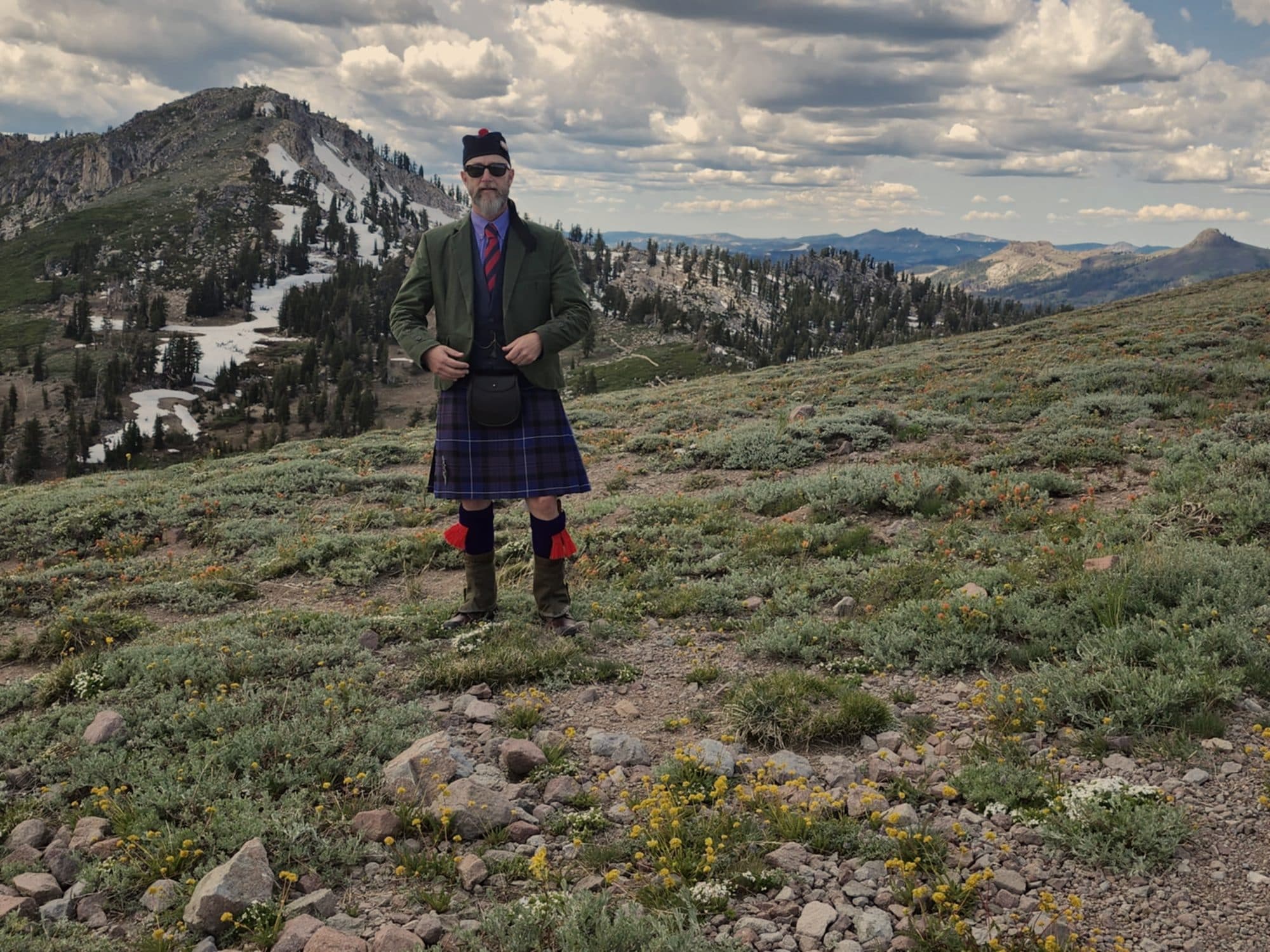
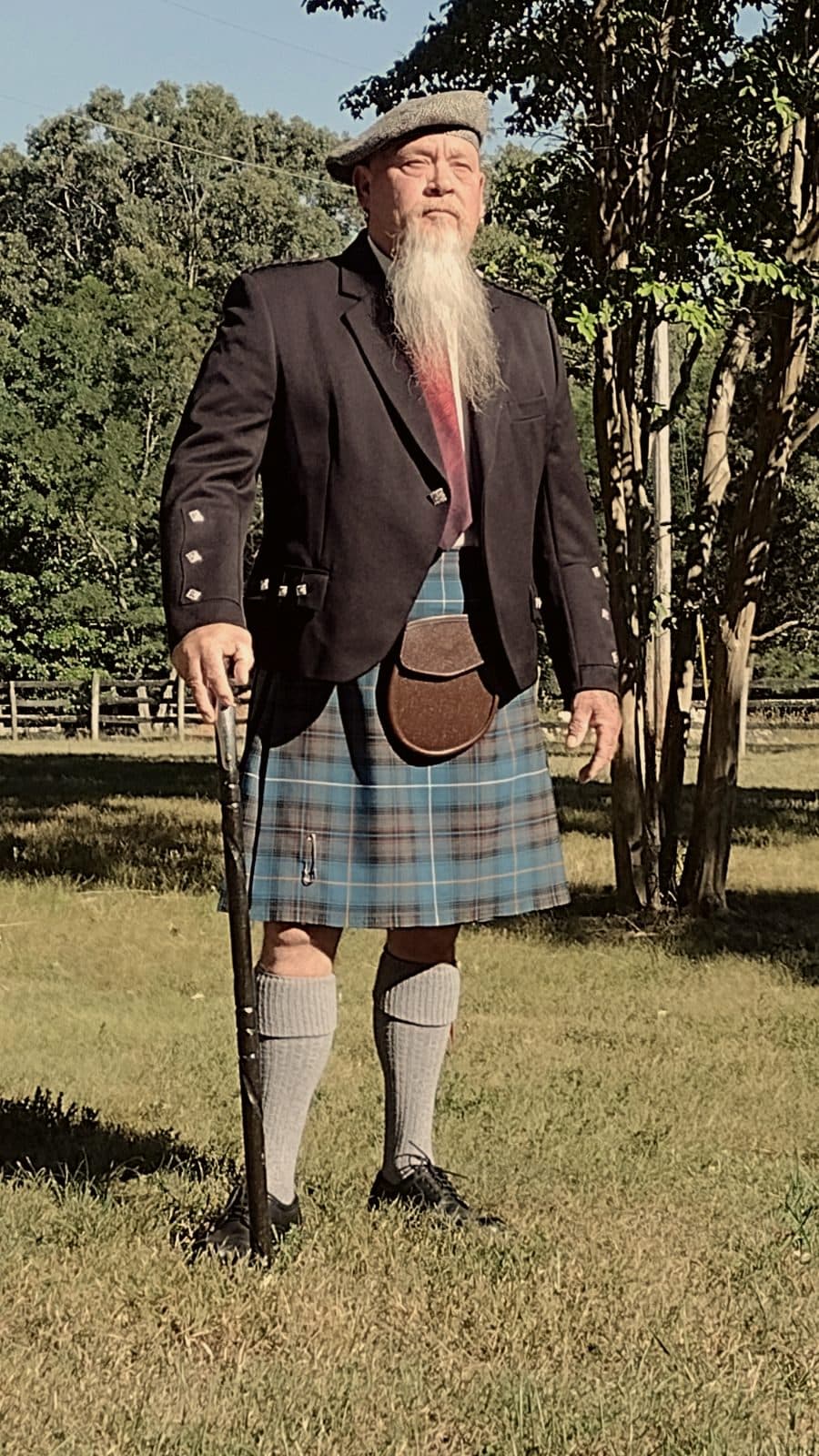
How Your Clan Got Its Tartan
The pairing of a sett to a surname is younger than most men assume, and it came together at a moment when Scotland was pouring real care into making Highland dress mean something again. That history is worth knowing before you choose one.
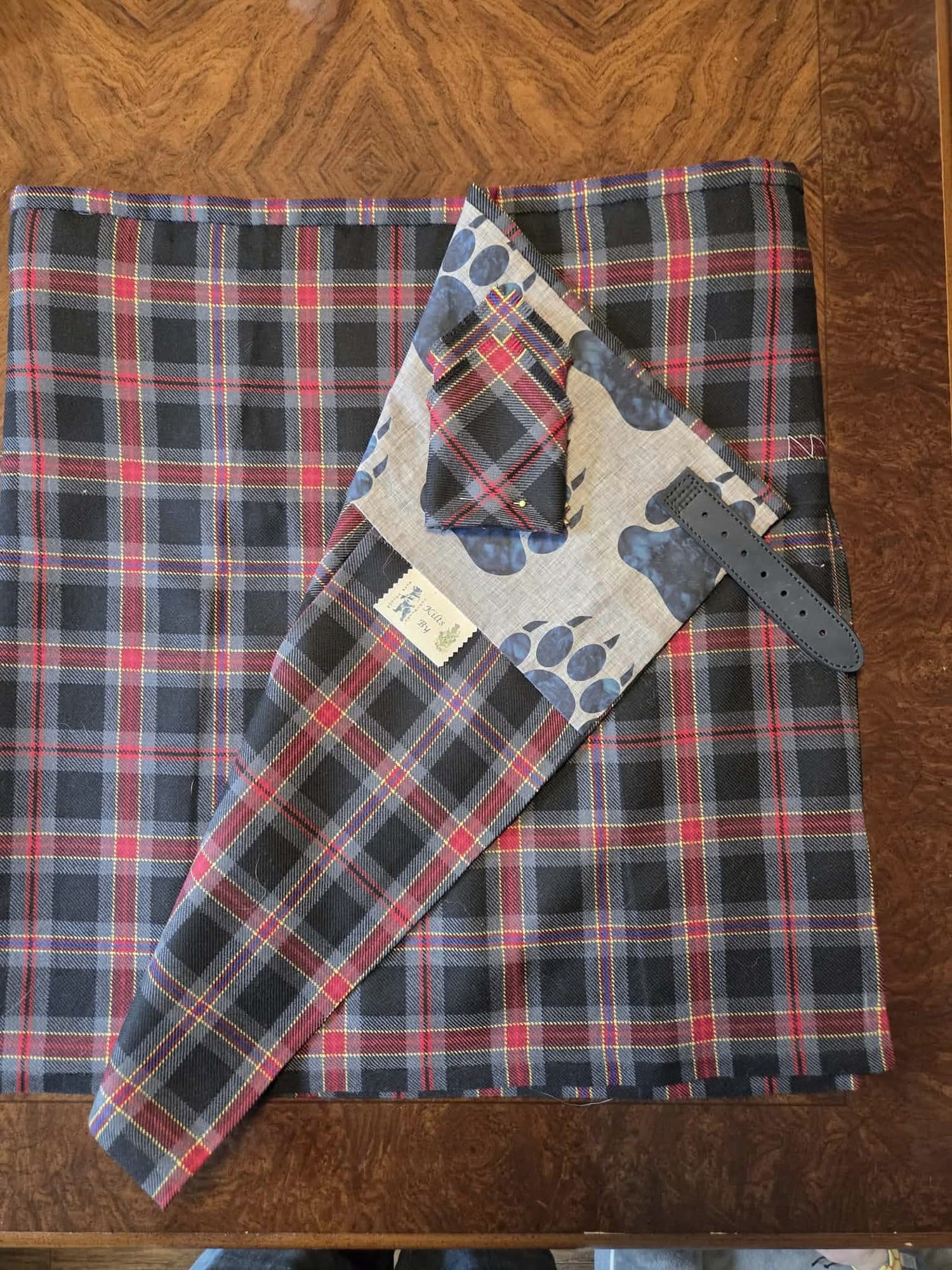
A man ordering his first kilt usually starts with the same assumption: that his family has always worn a particular tartan, and that choosing it is simply a matter of looking it up. The truth is a little different, and considerably more interesting.
The cloth itself is old. Weaving checked wool in the Highlands goes back centuries, tied to a region and a weaver more than to a surname. What is newer — and worth understanding before you choose a sett — is the idea that a specific pattern belongs to a specific family. That idea has its own history, and it is a genuinely good one.
What the old system actually was
Highland dress was restricted by law in the mid-eighteenth century, in the same period the clan structure it belonged to was being dismantled. For decades afterward, tartan was worn mostly by soldiers in Highland regiments, and the fine-grained association between a district's weave and a district's people had already begun to fade before it could harden into the family system men look for today.
When the ban lifted, tartan did not simply return to where it had been. It came back into a Scotland eager to reclaim it, and reclaim it properly.
A revival built with real intention
The early nineteenth century brought a surge of national pride in Highland dress, and Scotland met it with real craft: weavers expanding their pattern books, antiquarians and clan societies doing the work of research and record-keeping, and a landmark royal visit to Edinburgh that put tartan in front of the whole country as something worth wearing with pride, not just tolerating. Out of that period came the practice of pairing a sett with a surname — a project carried out with genuine care, even where the record it drew on was thin in places.
Some of the earliest sett-to-surname pairings rested on sourcing that would not satisfy a historian today. That does not make the tartan any less handsome or the tradition any less worth keeping. It means the system was built by people, in a particular decade, for reasons that still hold up — which is true of most traditions, if you look closely enough.
What matters is what that generation chose to do with an old craft and a fading structure. They did not let it disappear. They gave it a new form that people could actually use — a way for a scattered people to carry a visible piece of home with them — and that form is the one still in use two centuries later.
They did not let it disappear. They gave it a new form that people could actually use.
Choosing a sett today
None of this makes a family sett less worth wearing. A man who knows his surname's tartan and wants to wear it is doing exactly what the tradition was built for — carrying his family's name in a pattern he can put on. But the same history is also permission to choose more freely. District tartans, universal setts with no clan attached, and patterns chosen simply because a man likes the look of them are every bit as legitimate a way into Highland dress as a surname lookup.
There is no wrong door into this tradition. There is only the sett a man will actually be proud to put on for thirty years.
What Bear Hollow does with it
Bear Hollow keeps a short, considered list of setts on hand and can order in any pattern the mills weave, family tartan or otherwise. Nobody here will tell a customer his ancestry obliges him to one pattern and bars him from the rest. The fitting call is where that conversation actually happens — what the sett means to him, what he wants it to say, and which weight and weave suit the seasons he will actually wear it in.
The tartan you choose should tell your story. The good news, once you know how the system came to be, is that it was built to let you.
Bear Hollow Clothiers · July 2026
Begin a Commission